Chemical Peels vs Microneedling

Chemical Peels vs Microneedling

Chemical Peels vs Microneedling

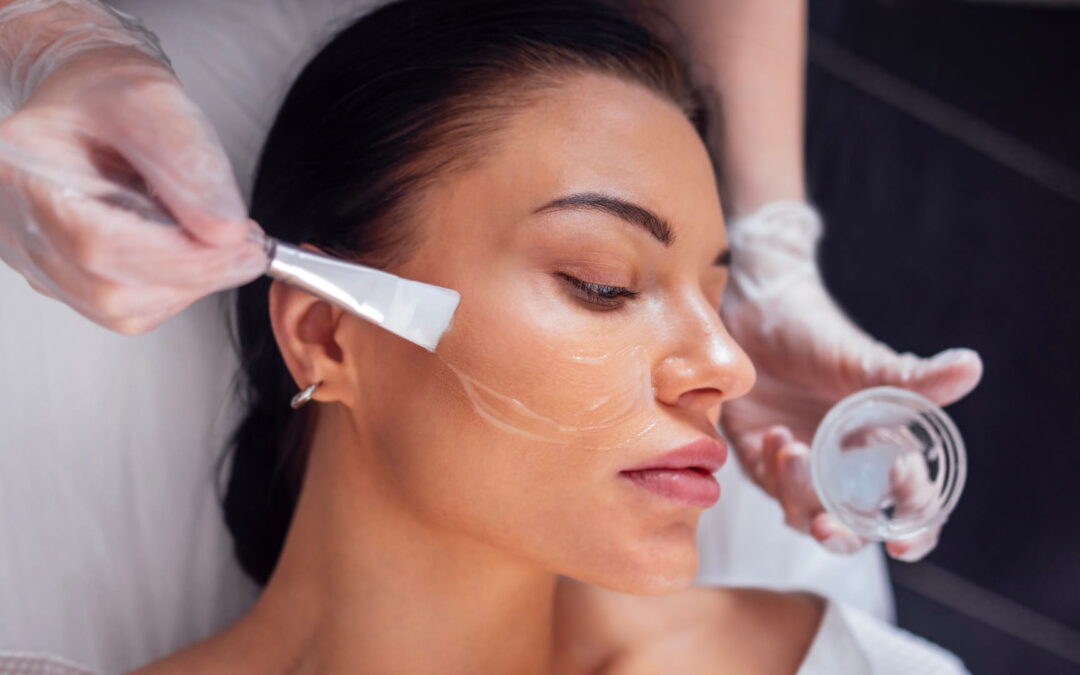
The goal is to achieve brighter, smoother-looking skin, however, you are not sure whether a chemical peel or a microneedling treatment will be able to do this for you. A chemical peel provides good results for surface-related issues such as dull tone and mild discoloration whereas microneedling goes beyond the surface layer of the skin to provide improved texture, scars, and collagen production—depending upon whether you require a surface rejuvenation or a deeper repair.

Newman Plastic Surgery in Temecula offers support in weighing the pros and cons of each treatment option including downtime and safety so you can choose the one that is right for your objectives and schedule. Read on to learn about how each treatment works, what results to anticipate and how you can determine which one best suits your skin and lifestyle.

What Are Chemical Peels and Microneedling?

Both treatments aim to improve skin texture, tone, and signs of aging, however, they function in different ways and affect different layers of the skin. A chemical peel involves controlled chemical exfoliation whereas microneedling utilizes small needles to stimulate collagen production.

How Chemical Peels Function

Chemical peels apply an acid solution to the skin to eliminate the upper layers. Superficial peels utilize mild acids (glycolic or salicylic) to treat uneven tone, mild acne, and dullness. Medium peels, which are often made up of trichloroacetic acid (TCA), are designed to remove deeper layers to improve sun damage and shallow scars. Deep peels can reach the dermis but require more time off from daily activities and/or medical supervision.

During the application of a peel, you may experience some stinging sensation and redness afterward. The recovery process from chemical peels can range anywhere from a few days for lighter peels to one or two weeks for medium peels. Chemical peels improve pigmentation and texture by encouraging the formation of new skin.

How Microneedling Functions

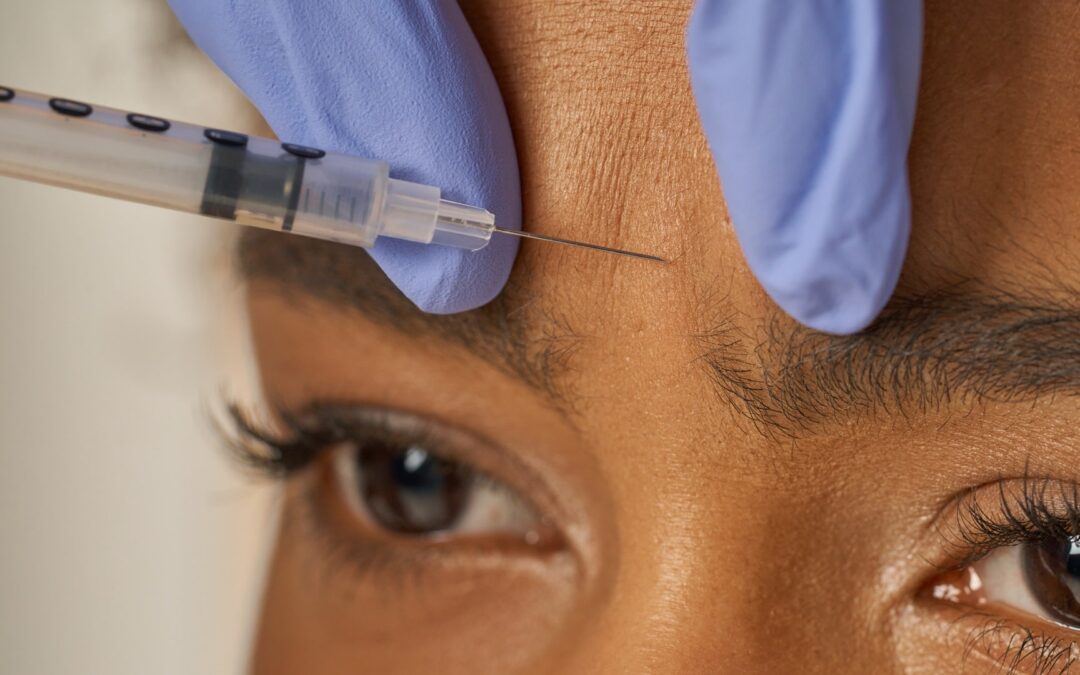
Microneedling utilizes a device with small needles to create controlled micro-injuries to the skin. The micro-injuries prompt the body’s repair mechanisms resulting in increased collagen and elastin production. There are devices ranging from pen-style rollers for office-based treatments to lower-depth at-home tools; professional microneedling treatments utilize deeper needles to provide more aggressive results.

You may experience some mild discomfort during the microneedling procedure and some redness for a day or two after the treatment. Microneedling improves acne scars, fine lines, and large pores through the remodeling of the deeper skin layers. Typically, three to six treatments spaced out every four to eight weeks provide the best results for scar and wrinkle reduction. Prior to initiating treatments, our staff assesses your skin type and history to minimize the risk of infections or hyperpigmentation.

Advantages & Results

While both microneedling and chemical peels can provide improvements to texture, tone, and signs of aging, they work in different manners and are used to treat different problems and skin types. Below you’ll find what each treatment addresses, what you can expect from each treatment, and how long it will take for you to see results.

Skin Issues Addressed By Each Treatment

Microneedling addresses collagen depletion, acne scarring, large pores, and fine lines through the creation of controlled micro-injuries to the skin which stimulates the healing response of the body. It works effectively on indented (atrophic) acne scars and mild to moderate wrinkles. Microneedling is safe for most skin tones and has a minimal risk of causing pigment changes when done properly.

Chemical peels remove the top layers of the skin using acid solutions to treat sun damage, surface pigmentation, rough texture, and mild acne. Light peels (for example, glycolic or salicylic) can treat dullness and clogged pores. Medium peels (for example, TCA) can treat deeper sun spots and fine lines, but have a higher downtime requirement and risk, particularly for those with darker skin tones.

Some combination approaches offer better results than either treatment alone, for example, a series of light peels with periodic microneedling sessions can address both texture and pigment issues. Our clinic will match the treatment to your specific concerns, skin type, and desired downtime.

Anticipated Results

As the collagen is remodeled with microneedling, you should begin to notice gradual improvements in skin texture and scar depth. As collagen continues to build over time, many patients observe smoother skin and smaller pores. Results continue to improve for several months after the completion of the treatment protocol.

Chemical peels result in more immediate changes to the skin’s surface. Superficial peels will brighten your complexion and improve minor pigmentation and texture issues within a week or two. Medium peels will provide greater exfoliation and can significantly improve discoloration and fine lines, but healing will take longer and redness may remain for days to weeks.

In order to obtain lasting results from both treatments, a series of sessions will be required. Anticipated results will vary depending on the strength of the treatment, the number of sessions completed, and your adherence to recommended aftercare and sun protection practices.

The Timeframe in Which You Will Notice Results

Microneedling: In one to two weeks, you may notice some slight smoothing of the skin, however, the collagen-driven improvements in the skin will occur 6-12 weeks after treatment. For meaningful improvements to scars or wrinkles, most protocols recommend 3-6 treatments completed 4-8 weeks apart.

Chemical Peels: Superficial peels will show noticeable brightening and texture improvements 3-7 days after peeling is complete. Medium peels will reach their maximum potential later — peeling occurs in the first week, then healing and pigment improvement will continue for 4-8 weeks. The frequency of repeat treatments will depend on the depth of the peeling agent and the sensitivity level of your skin.

It is anticipated that you will need to continue to maintain both treatments to preserve the positive results obtained including regular touch-ups or complementary home care (retinoids, sunscreen). Your provider at Newman Plastic Surgery will develop a plan customized to your objectives and skin type for maintaining the positive effects of the treatments.

Chemical peels and microneedling are both treatments that can improve texture and tone of the skin, however, they do have differences in terms of potential risks, side effects, and recovery time. By understanding what each treatment has to offer, you can choose which one is right for your skin, schedule, and comfort level.

Possible Risks of Chemical Peeling

Chemical peels involve using acids such as glycolic acid, salicylic acid, or TCA (trichloroacetic acid) to create layers of dead skin cells that can be peeled away. Mild redness and flaking is common after a super-facial peel, whereas medium and deep peels can cause more intense pain, swelling, crusting, and an increased risk of infection and scarring.

Those with darker skin may experience hyper-pigmentation or hypo-pigmentation from peels. Those who have a history of cold sores are more likely to experience a herpes flare after a peel. Certain medications and recent use of isotretinoin may make peels unsafe; therefore, please disclose all medications taken prior to consulting with a provider.

Prior to receiving a peel, Newman Plastic Surgery evaluates your skin type and medical history. We may recommend performing “test” areas on your skin, as well as preparing your skin before peels to minimize risk. Also, follow-up appointments allow us to monitor you for complications such as delayed healing or changes in pigment.

Common Short-Term Risks of Microneedling

Microneedling involves creating controlled injuries to stimulate collagen production. The most common short term adverse effects include redness, pinpoint bleeding, and mild bruising, which typically resolve within a few days to a week.

The risk of developing an infection is increased if the device used to perform the procedure is not properly sterilized, or if proper care is not followed after the treatment. Individuals with active acne, eczema, or a history of keloidal tendencies may experience more severe side effects, including scarring, or less than optimal results.

Temporary hyperpigmentation can occur after microneedling, particularly in individuals with darker skin tones due to the use of overly aggressive needles.

Newman Plastic Surgery uses sterile, medical-grade equipment to perform microneedling. Needle depth is adjusted according to area treated. Active infections or open acne cannot be treated with microneedling. Blood thinner medications and certain other medical conditions may increase the risk of developing complications related to microneedling.

Recovery Time and Post-Care Instructions

Superficial chemical peels result in 3-7 days of flaking and sun sensitivity. Medium peels can take 7-14 days to recover from; deep peels can require weeks and medical monitoring. Use gentle cleansers, apply sunscreen with SPF 30+, and refrain from picking at scabs.

Typically, microneedling results in 1-3 days of mild redness and swelling. More aggressive treatments or those utilizing radio frequency technology may result in 1 week of recovery time. Cleanse your skin gently, avoid applying retinoids or alpha-hydroxy acids for 1 week after treatment, and apply prescribed serums or products containing growth factors as directed.

Post-Care Checklist:

  • Use a gentle, non-irritating cleanser twice daily.
  • Apply broad-spectrum SPF 30+ to exposed skin every morning and reapply frequently.
  • Avoid exposure to direct sunlight, hot tubs, or excessive sweating for 48-72 hours.
  • Do not wear makeup for at least 24 hours after microneedling and until flaking subsides after a peel.
  • Notify Newman Plastic Surgery immediately if you develop severe pain, spreading redness, fever, pus, or unexpected pigment changes.

Choosing the Best Option for You

While both chemical peels and microneedling can provide improvement to texture, scars, and pigment, they operate through different mechanisms and have varying amounts of recovery time and risks associated with them. Therefore, your skin type, objectives, and ability to tolerate recovery time should influence your decision.

Who is a Good Candidate?

You would be a suitable candidate for a chemical peel if you desire correction of surface-level tone issues such as sunspots, mild pigmentation, or fine lines. Most skin types can tolerate light peels with minimal down-time. However, medium peels may be able to address deeper lines but may pose greater risk to individuals with darker skin tones; therefore, your physician will evaluate the risk of pigment changes before recommending this option.

You would be a suitable candidate for microneedling if you wish to decrease the appearance of acne scars, enhance skin texture, or stimulate collagen with minimal risk of pigment changes. Microneedling can be effective for many skin tones when performed properly. Do not attempt microneedling if you currently have active acne, certain infections, or recently completed isotretinoin therapy; your physician will discuss your medical history and current medication regimen.

Things to Consider

Consider the amount of down-time required for each treatment. Typically, light peels may require 1-2 days, medium peels may require 1 week, and microneedling may cause 2-4 days of redness. Evaluate your pain threshold and anesthetic options; peels can cause stinging and microneedling can be uncomfortable without the use of topical numbing agents.

Consider your desired outcomes and the number of treatments needed. Microneedling typically requires multiple treatments, spaced weeks apart, to achieve the best possible results for scars and/or texture. Light peels may require repeated treatments for maintenance purposes; medium peels can provide longer lasting results but require more recovery time. Consider the cost, your skin color, and past history of keloids or scarring. Be sure to ask about sun protection and post-care recommendations to minimize the risk of pigment changes occurring after either treatment.

Process of Consultation at Newman Plastic Surgery

During a consultation with Newman Plastic Surgery, we review your medical history, list of medications, and previous cosmetic procedures. We evaluate your skin visually, as well as photographically, to determine the extent of your concerns (e.g., acne scars, sun damage, fine lines).

We explain what results you can expect, how many treatments are required, and the cost of treatment. We show examples of before-and-after photographs of patients with similar characteristics and describe the risks associated with your particular skin type. If a peel or microneedling is suggested, we provide pre-care and recovery instructions and schedule follow-up appointments. For more information, or to schedule a visit, please contact us today!

How Long Does Dysport Last? Does Dysport or Botox Last Longer?

How Long Does Dysport Last? Does Dysport or Botox Last Longer?

How Long Does Dysport Last? Does Dysport or Botox Last Longer?

When it comes to wrinkle treatments, many wonder how long Dysport lasts and whether it outperforms Botox in duration. 

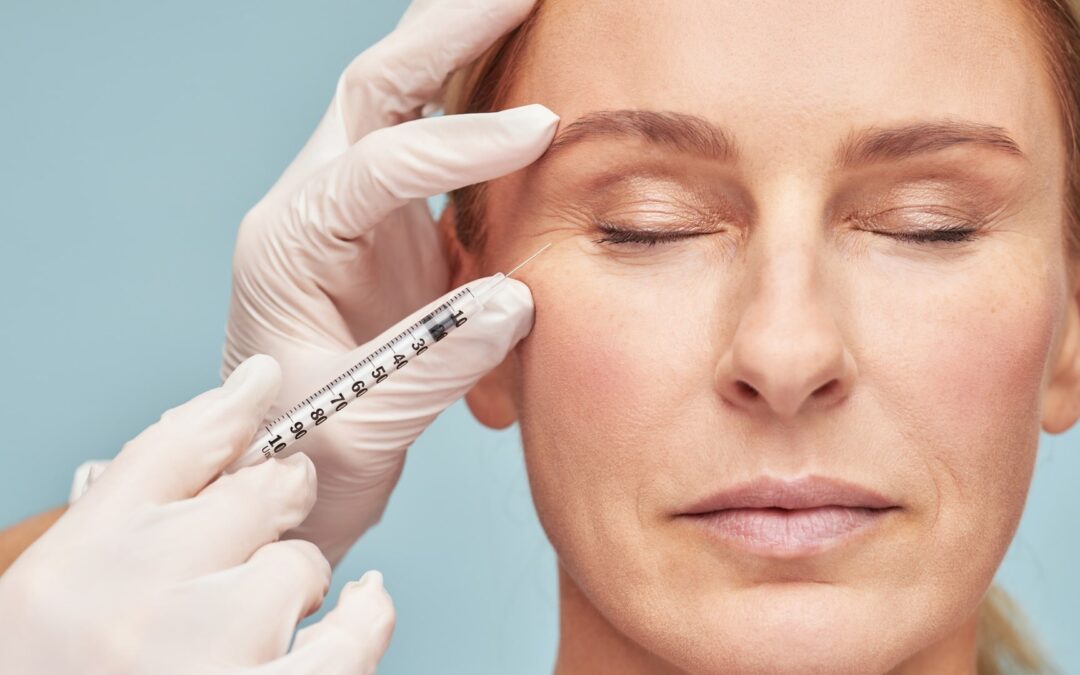
Both Dysport and Botox are popular choices that relax muscles to smooth out lines, but their effects do not last forever. Typically, Dysport and Botox both provide results that last about three to four months, though some patients experience Botox lasting up to six months. Individual factors like muscle activity and metabolism can affect how long the results hold.

Dysport tends to work a bit faster after injection, usually showing effects within 2-3 days, while Botox takes about a week to fully kick in. Some people feel Dysport wears off slightly sooner, but overall, their longevity is very similar. Choosing between the two often depends on personal goals and how quickly you want to see results.

As we serve patients in Temecula, Menifee, and Murrieta, CA, we’re here to help you decide which option fits your needs best. If you want to learn more about Dysport and Botox, reach out to us today to schedule a consultation and find the best treatment plan for you.

How Long Does Dysport Last?

Dysport usually works quickly and keeps wrinkles smooth for several months. How long the results last depends on your body and the treatment details. We want to help you understand what to expect and how to get the most from Dysport.

If you have questions or want to see how Dysport fits your goals, contact us at Newman Plastic Surgery in Temecula, CA. We proudly serve Menifee and Murrieta too.

Typical Duration of Results

On average, Dysport results last about 3 to 4 months. Some people notice effects lasting up to 5 or 6 months depending on the area treated and their skin’s response. Dysport usually starts working faster than Botox—often within 2 to 3 days after treatment.

Areas like the forehead or around the eyes might show changes for a different length of time. For example, deeper frown lines often respond longer than fine lines on the cheeks.

Factors That Affect Dysport Longevity

Several things impact how long Dysport lasts:

  • Dosage: Higher doses may extend results by up to 2 weeks.
  • Metabolism: People with faster metabolisms can break down the product sooner.
  • Treatment area: Larger muscles may weaken for a shorter time.
  • Frequency: Regular treatments can sometimes increase how long results last.

Everyone’s body reacts in its own way. Knowing this helps set realistic expectations.

How to Make Dysport Last Longer

To stretch the life of your Dysport treatment, consider these tips:

  • Follow aftercare instructions: Avoid rubbing the treated area for at least 24 hours.
  • Confirm dosage and placement: An experienced provider can adjust this for your needs.
  • Plan maintenance: Scheduling booster injections before effects fully wear off can keep wrinkles at bay.
  • Healthy lifestyle: Protect your skin from sun damage and avoid smoking, which can lessen results.

We’re here to guide you through your Dysport journey and help you achieve your best look. Reach out to Newman Plastic Surgery in Temecula to book your consultation today.

Dysport vs Botox: Duration Comparison

Both Dysport and Botox are popular treatments to reduce wrinkles, and they work for a similar length of time. Each product affects your skin differently depending on muscle strength and treatment area. Understanding how long each lasts, where they work best, and what to expect afterward can help you choose the right option for your needs. If you want to learn more or schedule a consultation, we’re here to help at Newman Plastic Surgery.

Effectiveness Over Time

Dysport and Botox typically last between 3 to 4 months for most patients. Botox may sometimes extend up to 6 months, but this depends on how your body processes the treatment. Dysport tends to show results faster, often in 2 to 3 days, while Botox takes about 3 to 5 days to start working and up to 2 weeks for full effect.

Individual factors like metabolism, muscle activity, and treatment frequency also impact how long the effects last. Both products gradually wear off as nerves recover, so maintaining regular sessions is key for ongoing results.

Differences in Treatment Areas

Dysport spreads more widely after injection, which can make it better for larger areas like the forehead. This diffusion sometimes results in a more natural look for broad wrinkles. Botox, on the other hand, is more precise, making it ideal for small, targeted zones such as frown lines between the eyebrows.

Muscle size and strength in each treatment region also influence duration. Larger muscles may require more product or stronger formulas to achieve longer-lasting effects. We customize treatments based on these factors to get the best possible results.

What to Expect After Each Treatment

After Dysport or Botox injections, you might notice some redness or slight swelling, which usually fades quickly. Dysport works faster, so you might see changes within a few days. Botox results are often visible after about a week.

Both treatments require minimal downtime, allowing you to resume daily activities immediately. To keep results fresh, we recommend follow-up sessions every 3 to 4 months. We always guide you on the best timing based on how your skin responds.

If you’re considering Dysport or Botox and want personalized advice, contact us at Newman Plastic Surgery, serving Temecula, Menifee, and Murrieta. We’ll help you choose the best option for your goals.

Choosing Between Dysport and Botox

Deciding between Dysport and Botox comes down to what you want to achieve and how you prefer your treatments. Both offer similar results, but small differences in how they work and how quickly you see effects might guide your choice.

Personal Preferences and Goals

When choosing between Dysport and Botox, think about your skin goals and lifestyle. Botox usually works well for precise areas like frown lines, and its effects tend to last a bit longer, often about 3 to 4 months. Dysport may kick in faster and can be better for treating larger areas or deeper wrinkles.

If you want quick results and coverage over a wider area, Dysport could be a good option. For those who want exact control and slightly fewer treatments, Botox might suit your needs better. Also, some people respond differently to each, so personal experience is a factor to consider.

Consulting With a Professional

We always recommend talking with a skilled provider to pick the right injectable for your skin. A professional will assess your muscle activity, wrinkle type, and medical history to recommend Dysport or Botox based on what will work best for you.

During a consultation, expect to discuss your goals and concerns. Your provider can explain the expected onset time, duration, and any side effects. This personalized advice helps you make an informed decision and ensures the safest, most effective treatment plan.

If you’re in Temecula, Menifee, or Murrieta, CA, contact us at Newman Plastic Surgery to schedule your consultation. We’ll guide you step-by-step to choose the right treatment tailored for your needs.

Next Steps: Schedule Your Consultation

If you’re considering Dysport or Botox, the best way to start is by scheduling a consultation with us here at Newman Plastic Surgery. During this visit, we’ll discuss your goals, answer any questions, and help create a personalized treatment plan.

In your consultation, we’ll talk about the differences between Dysport and Botox, including how long each may last for you personally. Everyone’s skin and muscle activity vary, so this helps us tailor your treatment to fit your lifestyle.

Before your appointment, think about areas you’d like to treat and any past experiences with injectables. This information helps us choose the right product and timing for your needs.

Here’s what you can expect when you book with us:

  • A friendly, professional team ready to guide you
  • Clear advice on treatment options
  • Information on costs and maintenance plans
  • Personalized care focused on your comfort and results

Ready to take the next step? Contact Newman Plastic Surgery today to schedule your consultation. We proudly serve clients from Temecula, Menifee, and Murrieta, CA and look forward to helping you achieve your aesthetic goals.

Dysport vs Botox: What’s the Difference and Which Works Better?

Dysport vs Botox: What’s the Difference and Which Works Better?

Dysport vs Botox: What’s the Difference and Which Works Better?

When it comes to reducing wrinkles, Dysport and Botox are two popular options that many consider. Both use botulinum toxin to relax muscles and smooth out expression lines. The main difference is that Dysport tends to spread more quickly and may take effect faster, while Botox offers more precision for smaller, delicate areas.

Is Dysport better than Botox? The answer depends on what you want to achieve. Dysport can be a good choice if you need quicker results and broader coverage. Botox might be better if you want precise treatment around the eyes or lips where control matters most.

At Newman Plastic Surgery, we see that the best option varies by individual needs, skin type, and treatment goals. Whether you live in Temecula, Menifee, or Murrieta, we’re here to help you decide which treatment fits you best.

If you are interested in Botox or Dysport treatments, contact us today!

Understanding Dysport and Botox

Both Dysport and Botox are popular injectable treatments used to reduce wrinkles and fine lines. They share many similarities in how they work but differ in formulation, spread, and approved uses. Knowing these details helps us choose the right option for each patient’s needs.

What Is Dysport?

Dysport is a type of botulinum toxin used to relax muscles and soften facial wrinkles. It is FDA-approved mainly to treat moderate to severe frown lines between the eyebrows. Dysport tends to spread a bit more than Botox, which can be helpful when treating larger areas, like the forehead.

The treatment works by blocking nerve signals to the muscles, causing them to relax. Dysport is known for acting faster in some cases, with effects appearing within 24 to 48 hours after injection. It’s also reported to cause less injection pain. Dysport is a good option for those who want natural-looking results but want to treat multiple or broader areas.

What Is Botox?

Botox is also made from botulinum toxin and has been used longer than Dysport. It has broader FDA approvals, treating wrinkles like crow’s feet, forehead lines, and frown lines. Botox is widely trusted and used in both medical and cosmetic fields.

Botox works by temporarily paralyzing the targeted muscles, which smooths the skin above them. Results usually show within 3 to 5 days and can last between 3 and 6 months. Botox is often preferred for precise treatment, where control of muscle movement is critical, making it ideal for specific wrinkle areas.

How Each Injectable Works

Both Dysport and Botox block signals from nerves to muscles, preventing muscle contractions that cause wrinkles. This effect is temporary and reversible, meaning muscles regain movement after some months.

The main difference is that Dysport spreads more once injected, which might cover larger treatment areas faster. Botox, with less spread, allows for pinpoint accuracy. We consider the size and location of the area being treated when choosing between them.

The doses for Dysport and Botox differ as well, so your provider must adjust units accordingly. Both treatments require skilled injection techniques to avoid side effects like drooping eyelids or uneven expressions.

Comparing Effectiveness and Results

Both Dysport and Botox deliver reliable wrinkle treatment with slight differences in how quickly results show, how long they last, and where they work best on the face. These details help us decide the right option for your needs.

Speed of Results

Dysport tends to work faster than Botox. We often see patients notice smoother skin about two days after Dysport injections. Botox usually takes around seven days for its full effects to appear.

This quicker onset with Dysport can be helpful if you want faster visible improvements, such as before a special event. Still, both treatments begin working within the first week. The speed difference depends partly on how the product spreads in the muscle.

How Long Results Last

The results of both Dysport and Botox generally last between three and four months. Some studies suggest Dysport might last slightly longer in certain cases, but the difference is usually small.

Your metabolism and muscle activity affect how long the effects persist. Regular treatments can sometimes extend the time between sessions. We monitor how your body responds to recommend the best schedule for maintenance.

Areas Treated

Botox offers more precision and control, making it ideal for small, delicate areas like crow’s feet or lines between the eyebrows. Its formulation spreads less, which helps when targeting specific muscles.

On the other hand, Dysport works well for treating broader areas such as the forehead. It tends to spread more, covering larger muscle groups efficiently. Choosing between them depends on your facial structure and the areas you want to focus on.

Feature

Dysport

Botox

Onset Speed

About 2 days

About 7 days

Duration

3 to 4 months (sometimes longer)

3 to 4 months

Best For

Larger areas (forehead)

Small, precise spots

Side Effects and Safety Considerations

When considering Dysport or Botox, understanding side effects and knowing who should get these treatments is crucial. Both products have strong safety records, but small differences matter. We focus on what you need to watch for, how skin type may affect results, and who makes a good candidate for these injections.

Common Side Effects

Both Dysport and Botox can cause mild side effects after treatment. Patients often experience redness, swelling, or bruising at the injection site. These symptoms usually fade within a few days and do not require special care.

Temporary muscle weakness is another common side effect. This may cause drooping eyelids or uneven facial expressions but typically resolves within 1 to 2 weeks.

Pain during injection may be less with Dysport, but this varies by person. Rare side effects include headaches or flu-like symptoms. We emphasize getting injections from qualified professionals to reduce risks.

Safety for Different Skin Types

Dysport and Botox work on all skin types with similar safety profiles. Sensitive or reactive skin may show more redness or swelling, but this is temporary.

Darker skin tones carry a low risk of hyperpigmentation from injections or bruising afterward. Proper technique and aftercare can limit these risks.

We always assess skin condition before treatment. Certain skin diseases or infections near the injection site can increase side effect chances. A detailed consultation helps us ensure safety based on your skin.

Who Is a Good Candidate?

Good candidates are adults in generally good health who want to reduce wrinkles or treat medical conditions like muscle spasms. Those with allergies to botulinum toxin should avoid these treatments.

Pregnant or breastfeeding women are typically advised to wait, as safety data is limited.

People with certain neurological disorders or infections at the treatment site may not qualify. We review your medical history carefully before proceeding.

Choosing a licensed injector is vital. Proper technique lowers risks and improves satisfaction with results.

Making the Right Choice in Temecula, Menifee, and Murrieta

Choosing between Dysport and Botox means looking at factors like your skin goals, treatment area, and budget. It also means working with a local provider who understands your needs and the subtle differences between these injections.

Factors to Consider Before Treatment

We recommend considering the area you want to treat. Dysport tends to spread more easily, which makes it a good option for larger areas like the forehead. Botox is more precise, making it better for small, targeted spots like around the eyes.

Think about how fast you want results. Dysport often shows effects quicker, while Botox can last a bit longer. Cost is another factor—Dysport may require more units, but prices vary by provider.

Your medical history and sensitivity to treatments matter too. Always let your provider know about any allergies or previous reactions to similar products.

Consulting with a Local Provider

Meeting with a provider helps ensure you get a treatment plan tailored to you. At Newman Plastic Surgery, our skilled professionals can explain the differences between Dysport and Botox and help you decide which is best for you.

During your consultation, we will assess your facial muscles, skin type, and goals. This helps us decide which product fits you best. Good communication means knowing what to expect during and after treatment.

We encourage asking questions about side effects, recovery time, and cost. A local provider also knows what works well for patients in our area’s climate and lifestyle, which can improve your results.

Ready to smooth wrinkles and refresh your look? Schedule a consultation at Newman Plastic Surgery today and let our experts help you choose the treatment that’s best for you.

Fillers

Fillers

Fillers are a class of injectable medication designed to soften and sometimes flatten folds, depressions and wrinkles of the skin. They are produced predominantly by US companies and are sold as syringes containing one cc. of clear gel product that is sterile and ready for immediate use. In the US, patients are only treated with fillers by physicians and nurses. These materials were first used to treat facial wrinkles and skin folds around the mouth but their use has expanded to include augmenting the bony surfaces of the face such as the cheekbone, chin and jaw line. Recently, fillers have found use in nonsurgical rhinoplasty (nose job) and treating surface changes after rhinoplasty surgery. Fillers are also currently used to fill areas of muscle loss due to the aging process and other causes. The most common area for this muscle loss treatment is in the temple areas on the side of the face.

The filler substances currently in use are composed of a chemical called hyaluronic acid, also known as “HA”. The HA that is used for cosmetic purposes is completely man-made but hyaluronic acid is a significant component of human skin. HA is found in all layers of the skin but especially under the uppermost layer of skin called epidermis. Within skin, hyaluronic acid is important in skin support and is a key component of skin healing. Hyaluronic acid is a small chemical but can be synthesized into a polymer of many of the same units. Longer polymers can last longer under the skin and therefore fewer treatments are required. The chemical polymers can also be modified to change their consistency and feel as well as other properties.

There are currently about twenty fillers on the market and the most common fillers for wrinkles and skin folds are the juvederm line of products and the perlane/restylane group of products. The most often currently used product for enhancing bony prominences is Voluma. The FDA currently approves all facial fillers and the approval not only clears these products for use but for use in specific areas of the face. Physicians and “nurse injectors” are instructed by the FDA to use these specific for specific areas but injectors often also use product in areas not mentioned by the FDA. These areas are referred to as “off label” locations. Off-label use can be safe and effective but should be discussed with the treating physician.

Fillers are commonly confused with Botox treatment. The rule is that fillers fill and Botox paralyzes muscles to lessen wrinkles. Botox is most commonly used for wrinkles that occur between the eyebrows, over the forehead and within the Crow’s foot area outside the eyes near the temple. There are some parts of the face where both Botox and fillers can be of use. For example, the corrugator muscle folds the skin between the eyebrows. When patients are younger, muscle overactivity leads only to folding in this area and Botox is a great fix. But with the aging process, permanent wrinkles can be seen even when the patient is not flexing these muscles. It is at this point where fillers can be used effectively to soften and flatten wrinkles and folds.

Facial filler side effects most commonly encountered include irregularities that can occur under the skin, pain bruising, itching and rash. The types of dermal fillers used can all have these side effects and some of the side effects are related to the experience of the injector.

Lip Injections in Temecula, CA: What To Expect

Lip Injections in Temecula, CA: What To Expect

Lip Injections in Temecula, CA: What To Expect

Enhancing your lips has never been easier or more natural-looking. At Newman Plastic Surgery in Temecula, CA, we offer advanced lip filler treatments using safe and effective hyaluronic acid-based products like Juvederm. Whether you’re looking to boost volume, define your lip shape, or smooth fine lines, our personalized approach to lip injections can help you achieve beautiful, balanced results.

What Are Lip Injections?

Lip injections use dermal fillers, typically composed of hyaluronic acid, to enhance the shape, size, and structure of the lips. These fillers often include lidocaine, a local anesthetic that minimizes discomfort during the procedure.

Why Patients Choose Lip Fillers

Patients choose lip enhancement for several reasons:

  • To add volume to naturally thin lips

  • To balance uneven lips

  • To define the lip line and Cupid’s bow

  • To reduce fine lines around the mouth

  • To create a more youthful appearance

Before and After: What Results Can You Expect?

Before lip injections, patients may feel their lips appear small, flat, or lack definition. Some notice that the pink portion of the lip seems to roll inward, or that their lips don’t match the rest of their facial features. Others feel like they simply “have no lips.”

After lip enhancement, patients often report:

  • Fuller, more youthful lips

  • Enhanced lip shape and symmetry

  • Better definition of the lip border

Results are natural-looking, helping patients look refreshed without appearing “overdone.”

What to Expect During and After the Procedure

Lip injections are quick, non-surgical, and typically completed in under 30 minutes; perfect for a lunch break appointment. Mild to moderate discomfort is normal, but most fillers contain lidocaine to minimize pain.

Recovery Timeline:

  • Day 1–2: Mild to moderate swelling, little to no pain

  • Day 3–7: Swelling decreases, lips settle into their shape

  • Day 7–10: Final results are visible

  • Duration: Results typically last up to 12 months

Do Lip Injections Hurt?

Most patients experience mild discomfort during injections. Because the fillers contain lidocaine, the area numbs quickly. For sensitive patients, a dental block can be used to completely numb the lips before the procedure, improving overall comfort.

What Not to Do After Lip Injections

To ensure optimal results:

  • Avoid exercise or strenuous activity for at least 8 hours

  • Use a gentle cleanser if needed

  • Keep lips moisturized with Aquaphor ointment

  • Avoid touching or massaging the area

How Long Do Lip Fillers Last?

The results of hyaluronic acid-based lip fillers, like Juvederm, typically last 9 to 12 months, though individual results vary depending on metabolism and lifestyle.

Natural-Looking Lip Fillers

Although hyaluronic acid used in fillers is synthetically made, it is identical to a substance found naturally in the skin. It helps retain moisture, improve skin elasticity, and supports healing; making it both safe and “natural-feeling.”

Side Effects and Risks

Common side effects include:

  • Swelling

  • Bruising

  • Redness or itching at the injection site

Less commonly, small bumps may form but typically resolve on their own.

Cost of Juvederm Lip Injections in Temecula

Costs vary based on the type of filler and the amount used. In Temecula, most lip injections are competitively priced. Be cautious of providers offering prices that seem unusually low, as quality and safety should always come first.

Frequently Asked Questions

How long do lip fillers last?

Most fillers last about 9 to 12 months, depending on the product and patient.

Do lip injections hurt?

Thanks to built-in numbing agents and optional dental blocks, most patients report only mild discomfort during treatment.

What if I only want one lip enhanced?

That’s totally fine! Some patients opt to enhance just the upper or lower lip for better balance.

Are the results instant?

Yes, but expect swelling for 1–2 days. Final results appear by day 7 to 10.

Lip Injections Near Me in Temecula

When friends or family see your results up close, they’ll be amazed at how natural and balanced your lips look. Forget the overdone appearances shown on TV—our approach is focused on harmony, youthfulness, and enhancing your unique beauty.

Schedule Your Lip Filler Consultation in Temecula

Ready to enhance your natural beauty with fuller, more defined lips? Contact Newman Plastic Surgery in Temecula today to schedule a consultation for Juvederm lip injections. Our experienced team will guide you through every step to ensure your results are beautiful and natural-looking.

Book Your Consultation Now »