
Dysport vs Botox: What’s the Difference and Which Works Better?

Dysport vs Botox: What’s the Difference and Which Works Better?

Dysport vs Botox: What’s the Difference and Which Works Better?

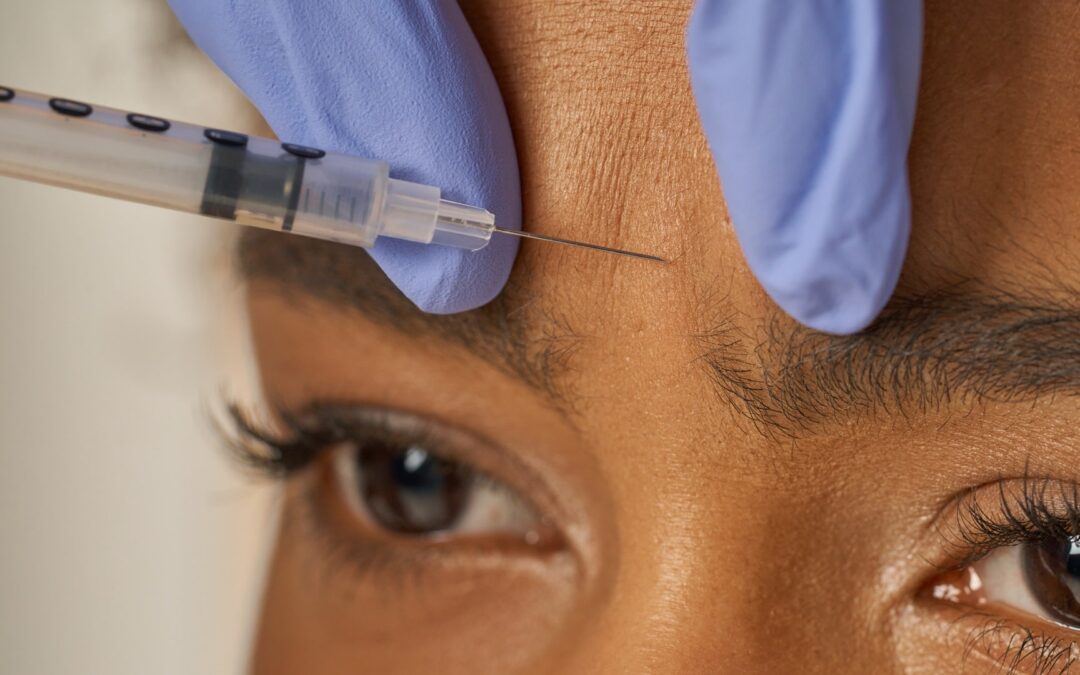
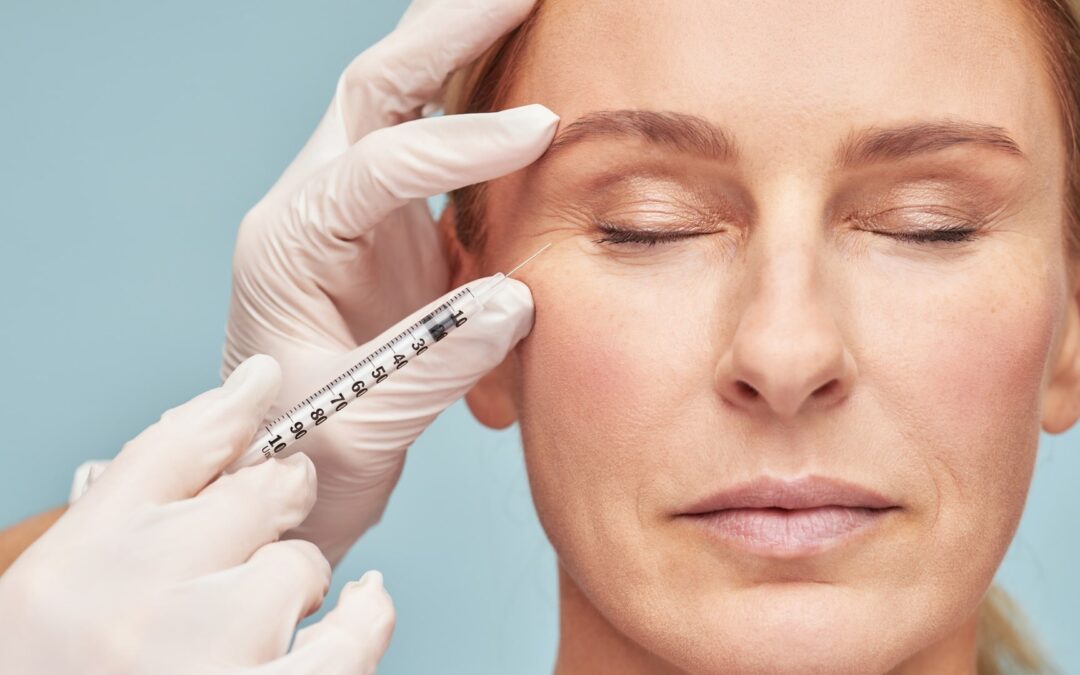
When it comes to reducing wrinkles, Dysport and Botox are two popular options that many consider. Both use botulinum toxin to relax muscles and smooth out expression lines. The main difference is that Dysport tends to spread more quickly and may take effect faster, while Botox offers more precision for smaller, delicate areas.

Is Dysport better than Botox? The answer depends on what you want to achieve. Dysport can be a good choice if you need quicker results and broader coverage. Botox might be better if you want precise treatment around the eyes or lips where control matters most.

At Newman Plastic Surgery, we see that the best option varies by individual needs, skin type, and treatment goals. Whether you live in Temecula, Menifee, or Murrieta, we’re here to help you decide which treatment fits you best.

If you are interested in Botox or Dysport treatments, contact us today!

Understanding Dysport and Botox

Both Dysport and Botox are popular injectable treatments used to reduce wrinkles and fine lines. They share many similarities in how they work but differ in formulation, spread, and approved uses. Knowing these details helps us choose the right option for each patient’s needs.

What Is Dysport?

Dysport is a type of botulinum toxin used to relax muscles and soften facial wrinkles. It is FDA-approved mainly to treat moderate to severe frown lines between the eyebrows. Dysport tends to spread a bit more than Botox, which can be helpful when treating larger areas, like the forehead.

The treatment works by blocking nerve signals to the muscles, causing them to relax. Dysport is known for acting faster in some cases, with effects appearing within 24 to 48 hours after injection. It’s also reported to cause less injection pain. Dysport is a good option for those who want natural-looking results but want to treat multiple or broader areas.

What Is Botox?

Botox is also made from botulinum toxin and has been used longer than Dysport. It has broader FDA approvals, treating wrinkles like crow’s feet, forehead lines, and frown lines. Botox is widely trusted and used in both medical and cosmetic fields.

Botox works by temporarily paralyzing the targeted muscles, which smooths the skin above them. Results usually show within 3 to 5 days and can last between 3 and 6 months. Botox is often preferred for precise treatment, where control of muscle movement is critical, making it ideal for specific wrinkle areas.

How Each Injectable Works

Both Dysport and Botox block signals from nerves to muscles, preventing muscle contractions that cause wrinkles. This effect is temporary and reversible, meaning muscles regain movement after some months.

The main difference is that Dysport spreads more once injected, which might cover larger treatment areas faster. Botox, with less spread, allows for pinpoint accuracy. We consider the size and location of the area being treated when choosing between them.

The doses for Dysport and Botox differ as well, so your provider must adjust units accordingly. Both treatments require skilled injection techniques to avoid side effects like drooping eyelids or uneven expressions.

Comparing Effectiveness and Results

Both Dysport and Botox deliver reliable wrinkle treatment with slight differences in how quickly results show, how long they last, and where they work best on the face. These details help us decide the right option for your needs.

Speed of Results

Dysport tends to work faster than Botox. We often see patients notice smoother skin about two days after Dysport injections. Botox usually takes around seven days for its full effects to appear.

This quicker onset with Dysport can be helpful if you want faster visible improvements, such as before a special event. Still, both treatments begin working within the first week. The speed difference depends partly on how the product spreads in the muscle.

How Long Results Last

The results of both Dysport and Botox generally last between three and four months. Some studies suggest Dysport might last slightly longer in certain cases, but the difference is usually small.

Your metabolism and muscle activity affect how long the effects persist. Regular treatments can sometimes extend the time between sessions. We monitor how your body responds to recommend the best schedule for maintenance.

Areas Treated

Botox offers more precision and control, making it ideal for small, delicate areas like crow’s feet or lines between the eyebrows. Its formulation spreads less, which helps when targeting specific muscles.

On the other hand, Dysport works well for treating broader areas such as the forehead. It tends to spread more, covering larger muscle groups efficiently. Choosing between them depends on your facial structure and the areas you want to focus on.

Feature

Dysport

Botox

Onset Speed

About 2 days

About 7 days

Duration

3 to 4 months (sometimes longer)

3 to 4 months

Best For

Larger areas (forehead)

Small, precise spots

Side Effects and Safety Considerations

When considering Dysport or Botox, understanding side effects and knowing who should get these treatments is crucial. Both products have strong safety records, but small differences matter. We focus on what you need to watch for, how skin type may affect results, and who makes a good candidate for these injections.

Common Side Effects

Both Dysport and Botox can cause mild side effects after treatment. Patients often experience redness, swelling, or bruising at the injection site. These symptoms usually fade within a few days and do not require special care.

Temporary muscle weakness is another common side effect. This may cause drooping eyelids or uneven facial expressions but typically resolves within 1 to 2 weeks.

Pain during injection may be less with Dysport, but this varies by person. Rare side effects include headaches or flu-like symptoms. We emphasize getting injections from qualified professionals to reduce risks.

Safety for Different Skin Types

Dysport and Botox work on all skin types with similar safety profiles. Sensitive or reactive skin may show more redness or swelling, but this is temporary.

Darker skin tones carry a low risk of hyperpigmentation from injections or bruising afterward. Proper technique and aftercare can limit these risks.

We always assess skin condition before treatment. Certain skin diseases or infections near the injection site can increase side effect chances. A detailed consultation helps us ensure safety based on your skin.

Who Is a Good Candidate?

Good candidates are adults in generally good health who want to reduce wrinkles or treat medical conditions like muscle spasms. Those with allergies to botulinum toxin should avoid these treatments.

Pregnant or breastfeeding women are typically advised to wait, as safety data is limited.

People with certain neurological disorders or infections at the treatment site may not qualify. We review your medical history carefully before proceeding.

Choosing a licensed injector is vital. Proper technique lowers risks and improves satisfaction with results.

Making the Right Choice in Temecula, Menifee, and Murrieta

Choosing between Dysport and Botox means looking at factors like your skin goals, treatment area, and budget. It also means working with a local provider who understands your needs and the subtle differences between these injections.

Factors to Consider Before Treatment

We recommend considering the area you want to treat. Dysport tends to spread more easily, which makes it a good option for larger areas like the forehead. Botox is more precise, making it better for small, targeted spots like around the eyes.

Think about how fast you want results. Dysport often shows effects quicker, while Botox can last a bit longer. Cost is another factor—Dysport may require more units, but prices vary by provider.

Your medical history and sensitivity to treatments matter too. Always let your provider know about any allergies or previous reactions to similar products.

Consulting with a Local Provider

Meeting with a provider helps ensure you get a treatment plan tailored to you. At Newman Plastic Surgery, our skilled professionals can explain the differences between Dysport and Botox and help you decide which is best for you.

During your consultation, we will assess your facial muscles, skin type, and goals. This helps us decide which product fits you best. Good communication means knowing what to expect during and after treatment.

We encourage asking questions about side effects, recovery time, and cost. A local provider also knows what works well for patients in our area’s climate and lifestyle, which can improve your results.

Ready to smooth wrinkles and refresh your look? Schedule a consultation at Newman Plastic Surgery today and let our experts help you choose the treatment that’s best for you.

Can You Get a Breast Reduction and Augmentation Together?

Can You Get a Breast Reduction and Augmentation Together?

Can You Get a Breast Reduction and Augmentation Together?

Loss of Breast Tone, Firmness and Fullness

Many women lose tone, firmness, and fullness to their breasts after childbirth and breastfeeding.  This results in drooping, looseness of the skin, and loss of breast volume in the upper part of the breast.

Loss of this upper breast fullness becomes important to patients seeking plastic surgery consultation because it is not only obvious to the patient but also is visible to others, because this is the part of the breast that is not completely covered by a blouse or bathing suit.

Patients then seek cosmetic surgery consultation to gain fullness in this upper part of the breast, and this is best achieved with the placement of a breast implant.

How Breast Augmentation Achieves A Natural Result

Breast augmentation achieves a natural result because the implant is placed under the chest or “pec” muscle, and the muscle not only covers the implant but also acts like an internal bra to support the new volume and provide fullness in the upper part of the breast.

Submuscular placement leads to long-term stability of implant position on the chest and that translates into long-term excellent results.

Many women who go through pregnancy and breastfeeding simply lose volume but don’t develop drooping of their breasts and therefore simply require an implant to restore tone and fullness.

But some patients not only lose volume but develop drooping of their breasts where the breasts descend to a lower position on the chest and this issue requires attention in order to achieve a good cosmetic result.

Thinking About Breast Drooping When Planning Implants

A good way to think about breast drooping when implants are planned is that the new implant is under the muscle, which is fixed and in a good position on the chest.

As the breast droops, it descends below this position, away from the position of the implant. So the breast and the breast implant will be in two different positions. That’s where breast lifts enter the picture.

A breast lift (mastopexy) is a procedure where loose skin is removed and the breast is not only tightened, but also the nipple is kept attached and raised to a higher position. No breast tissue is removed during a breast lift, and so breast lifts don’t change the size of the breast at all. Most patients who have drooping of the breast have one procedure where the lift is combined with an implant.

Breast lifts raise the tissue and nipple to the position of the breast implant, but also result in a scar that fades with time and is placed in an inconspicuous place on the breast.

But one of the most important issues regarding treatment for breast drooping is related to how much breast tissue a patient has prior to their procedure.

The explanation relates to support of the breast: The implant, as mentioned above, is supported by the muscle, which keeps it from falling.

But breast tissue is supported by skin and childbirth and breastfeeding generally cause skin thinning, making the skin less supportive and that can lead to drooping.

The implant does not support the breast tissue after surgery and so if a patient has drooping with a significant amount of breast tissue, tissue needs to be removed or recurrence of drooping can happen after surgery.

Breast Tissue Removal Techniques

There are different techniques for breast tissue removal with an implant and lift procedure but really two different ideas.

One way is to remove some breast tissue with the combined implant/lift procedure. This is the procedure of choice when there is a limited amount of tissue to start with as with patients in the B to small C cup size.

When patients are larger than that, it is not possible to remove enough tissue. In that situation, the surgery is staged with a true breast reduction performed first and the implant is placed at a subsequent procedure.

The patients that require two procedures are generally in the full C to D and larger cup size. So when women have a significant amount of breast tissue, sculpting the new breast tissue shape with a breast reduction can give a better shape than when all the procedures are performed together.

Book A Breast Reduction & Augmentation Consultation in the Temecula, Murrieta, & Menifee Area!

It is, of course, important to seek consultation with a Plastic Surgeon who has significant experience with all of the above-mentioned procedures so all of the alternatives can be presented.

Women who have lifts performed with implants as well as tissue reduction, can have a more dramatic result as compared with only breast augmentation because they can have more significant change.

If you are in the Temecula, Murrieta, and Menifee area and interested in a breast reduction and/or augmentation procedure, book a consultation with Newman Plastic Surgery today!

Gummy Bear Implants

Gummy Bear Implants

Gummy Bear Implants

Gummy Bear Implants in Temecula, Murrieta, Menifee, and the San Diego area

When considering breast augmentation, many people are curious about gummy bear implants. These implants, known for their ability to hold their shape, offer a more natural look compared to traditional options. Gummy bear implants maintain their form and provide a predictable breast shape with fullness at the bottom and a thinner profile at the top.

The recovery process for gummy bear implant surgery typically takes a few weeks, though most patients begin feeling better after just a couple of days. Like all breast implants, the main goal is to improve both shape and size in a way that meets the patient’s aesthetic goals.

Natrelle is currently the only brand offering a smooth collection with three different gummy gel options. The gummier the implant, the better it holds its shape when handled, giving patients and surgeons more choices for customized results. Many plastic surgeons now offer consultations specifically for those interested in learning if these cohesive gel implants might be right for them.

What Are Gummy Bear Implants?

Gummy bear implants are a specific type of breast implant known for their stable shape and natural feel. They get their nickname from their consistency, which resembles gummy bear candy when cut.

Composition and Structure

Gummy bear implants are made of highly cohesive silicone gel, which is thicker than traditional silicone implants. This cohesive gel maintains its shape even when cut or damaged, reducing the risk of leakage. They typically have a teardrop shape, mimicking the natural breast contour with more fullness at the bottom and a tapered top.

The outer shell of these implants is stronger than traditional options. This enhanced durability helps them maintain their shape over time, even when subjected to pressure or movement.

Most gummy bear implants feature a textured surface designed to reduce rotation. Since they have a specific shape, maintaining proper orientation is important for natural-looking results.

Are Gummy Bear Implants Textured?

Most gummy bear implants have a textured surface rather than a smooth one. The textured exterior helps the implant stay in place and reduces the risk of rotation. This feature is particularly important because of their teardrop shape.

If a teardrop-shaped implant rotates, it can create an unnatural appearance in the breast. The textured surface creates friction against the breast tissue, helping the implant remain in its intended position.

Some manufacturers offer different degrees of texturing. The texturing process varies between brands, with some using more aggressive texturing than others.

Comparison With Other Implant Types

Gummy bear implants differ from traditional options in several key ways:

Shape: Unlike round implants, gummy bear implants have a teardrop shape that many consider more natural-looking.

Gel consistency: Traditional silicone implants use a less cohesive gel that feels softer but is more prone to rippling or leaking if damaged.

Longevity: The highly cohesive gel in gummy bear implants may help them maintain their shape longer than saline or traditional silicone options.

Feel: Gummy bear implants feel firmer than traditional silicone implants but softer than saline implants.

The stability of gummy bear implants reduces common issues like rippling and folding that can occur with other implant types. This stability comes with a trade-off – they typically require a larger incision for placement due to their firmer consistency.

Benefits of Gummy Bear Implants

Gummy bear implants offer several advantages over traditional breast implants, making them a popular choice for many patients. These cohesive gel implants provide enhanced aesthetic results while addressing common concerns associated with other implant types.

Natural Appearance and Feel

Gummy bear implants create a more natural breast shape compared to traditional options. Their teardrop design mimics the natural slope of the breast, with more fullness at the bottom and a tapered appearance toward the top. This anatomical shape helps patients achieve results that look less artificial.

The cohesive silicone gel inside these implants maintains its shape while remaining soft to the touch. This consistency closely resembles natural breast tissue, making it difficult to distinguish from real breasts both visually and by feel.

Many patients report higher satisfaction with the natural movement of gummy bear implants. Unlike some older implant types, these implants move naturally with the body while maintaining their shape in all positions.

Durability and Longevity

Gummy bear implants demonstrate excellent durability over time. The cohesive gel composition helps the implants retain their shape for longer periods compared to traditional options.

These implants resist common issues like rippling and wrinkling that can affect other implant types. The thicker gel maintains its form and position, even after years of use.

The strong silicone shell of gummy bear implants provides additional structural support. This enhanced shell integrity contributes to the overall longevity of the implants and helps them withstand normal physical activity.

Reduced Risk of Leakage

One significant advantage of gummy bear implants is their lower leak rate compared to traditional silicone implants. The cohesive gel inside maintains its shape even if the implant shell is compromised.

If a rupture occurs, the gel remains largely contained within the implant rather than leaking into surrounding tissue. This “form-stable” property minimizes complications and makes ruptures easier to detect during routine examinations.

The reduced leak risk also means less silicone gel extravasation (migration of silicone into body tissues). This lowers the chance of complications and often results in less frequent need for replacement surgeries over time.

Potential Risks and Considerations

While gummy bear implants offer many benefits, they also come with important risks and considerations that patients should understand before making a decision. Safety concerns range from surgical complications to long-term health issues that vary from person to person.

Possible Complications

Gummy bear breast implants, like all surgical procedures, carry several potential complications. Infection may occur during or after surgery, requiring antibiotic treatment or implant removal in severe cases. Changes in nipple and breast sensation are common, with some patients experiencing temporary or permanent numbness or hypersensitivity.

Pain in the breast area might persist beyond the normal recovery period. According to FDA information, additional surgeries may be needed to address complications or adjust implant position.

Implant rupture remains a risk, though gummy bear implants tend to hold their shape better than traditional options if this occurs. This “silent rupture” can be harder to detect without imaging.

MRI screenings are recommended regularly to check implant integrity, adding to the long-term maintenance costs and considerations.

Who May Not Be a Candidate

Individuals with certain health conditions should avoid gummy bear implants. Those with active infections, untreated breast cancer, or other malignancies are not suitable candidates due to increased health risks.

Women who are pregnant or breastfeeding should postpone surgery until several months after completing breastfeeding. Patients with autoimmune disorders like lupus or rheumatoid arthritis may face higher risks of complications.

Those with unrealistic expectations about results or recovery should reconsider. The procedure requires significant recovery time and will not solve body image issues or relationship problems.

People with a history of poor wound healing or those unwilling to accept potential scarring should explore alternatives. The firmer nature of gummy bear implants also makes them less ideal for those with minimal natural breast tissue.

Capsular Contracture Risks

Capsular contracture is one of the most common complications with breast implants. This condition occurs when scar tissue forms around the implant and begins to contract, making the breast feel firm or hard. It can also cause pain and distortion of the breast shape.

While all breast implants carry this risk, some studies suggest gummy bear implants may have a slightly lower rate of capsular contracture compared to traditional silicone implants. However, the risk still exists.

Factors that may increase capsular contracture risk include:

  • Bacterial contamination during surgery
  • Bleeding during recovery
  • Implant rupture or leakage
  • Radiation therapy to the breast area
  • Genetic predisposition

Treatment often requires surgical intervention to remove the hardened capsule and replace the implant. In severe cases, the implant might need to be removed entirely.

Gummy Bear Implant Recall

Some gummy bear implants have been subject to recalls in recent years. The FDA discovered a link between certain textured breast implants and a rare form of cancer called Breast Implant-Associated Anaplastic Large Cell Lymphoma (BIA-ALCL).

Though rare, this cancer of the immune system develops in the scar tissue and fluid surrounding the implant. Symptoms may include persistent swelling, pain, or lumps in the breast or armpit.

In 2019, several textured implants were recalled from the market due to these concerns. Patients with these specific implants were advised to:

  • Monitor for symptoms but not remove implants if no problems exist
  • Consult with their surgeon if symptoms develop
  • Register with the manufacturer’s warranty program

Current gummy bear implants on the market have undergone additional safety testing, but ongoing monitoring is essential for any patient with breast implants.

Gummy Bear Implant Procedure

The gummy bear implant procedure involves several carefully planned stages to ensure optimal results. This specialized breast augmentation technique requires proper preparation, precise surgical execution, and appropriate recovery care.

Preoperative Preparation

Before gummy bear implant surgery, patients must schedule a consultation with a board-certified plastic surgeon. During this appointment, the surgeon will evaluate the patient’s medical history and current health status.

Patients are typically instructed to stop taking certain medications like aspirin or anti-inflammatory drugs that might increase bleeding risk. Smokers must quit at least two weeks before surgery, as smoking can impair healing.

Pre-surgical preparations often include baseline mammograms and breast measurements to determine the appropriate implant size. The surgeon will discuss implant placement options—either under the breast tissue or beneath the chest muscle.

Patients should arrange for someone to drive them home after surgery and assist with daily activities for the first 24-48 hours of recovery.

Surgical Steps

Gummy bear implant surgery is performed under general anesthesia and typically takes 1-2 hours. The surgeon begins by making an incision in one of three locations: the inframammary fold (under the breast), around the areola, or in the armpit.

The choice of incision depends on patient anatomy, implant size, and surgeon preference. Gummy bear implants often require slightly larger incisions than traditional implants due to their firmer consistency.

After creating a pocket for the implant, the surgeon carefully inserts the gummy bear implant. These form-stable implants must be placed with precision since their teardrop shape is designed to maintain orientation.

Once positioned correctly, the surgeon closes the incisions with layered sutures. Skin adhesive or surgical tape may be applied for additional support.

Recovery Timeline

First Week:

  • Rest is essential with limited arm movement
  • Wear a surgical bra or compression bandage continuously
  • Manage discomfort with prescribed pain medication
  • Expect swelling, bruising and tightness

Most patients can return to light activities within 3-5 days, but should avoid heavy lifting (over 5 pounds) for at least two weeks. Surgeons typically remove stitches within 7-10 days if non-absorbable sutures were used.

By weeks 3-4, moderate exercise can usually resume, though chest-focused workouts should be avoided for 6 weeks. The implants will gradually settle into their final position over 2-3 months in a process called “dropping and fluffing.”

Full recovery takes approximately 6 months, when all swelling resolves and the implants settle completely. Regular follow-up appointments with the surgeon are important to monitor healing.

Choosing the Right Gummy Bear Implants

Selecting the ideal gummy bear implant involves understanding the available options to match your body type and aesthetic goals. These form-stable implants offer excellent shape retention and come in various configurations to suit different needs.

Shapes and Sizes

Gummy bear implants come in two main shapes: round and anatomical (teardrop). Round implants provide fullness in the upper breast and create a more pronounced look. Teardrop implants mirror the natural breast shape with more volume at the bottom, offering a subtler enhancement.

Size options typically range from 120cc to 800cc. Your surgeon will help determine the appropriate size based on your chest measurements, existing breast tissue, and desired outcome. Many surgeons use “sizers” during consultations to simulate how different volumes might look on your frame.

Consider your lifestyle when choosing size. Larger implants may cause more discomfort during physical activities and potentially more noticeable rippling over time.

Textured vs. Smooth Surfaces

Gummy bear implants are available with either textured or smooth outer shells. Textured surfaces were designed to reduce the risk of capsular contracture and prevent implant rotation, especially important for anatomical shapes.

However, textured implants have been linked to a rare condition called BIA-ALCL (Breast Implant-Associated Anaplastic Large Cell Lymphoma). This has led many surgeons to prefer smooth-surfaced options for patient safety.

Smooth implants move more naturally within the breast pocket and typically feel softer. They integrate well with surrounding tissue but may have a slightly higher risk of rotating if anatomically shaped.

Your surgeon’s experience with different surface types should guide this decision, balancing aesthetic goals with safety considerations.

Longevity and Maintenance

Gummy bear implants offer impressive durability compared to earlier implant types, with proper care significantly extending their lifespan. Regular monitoring and maintenance are essential components of ensuring optimal long-term results.

Expected Lifespan

Gummy bear implants typically last between 10 to 15 years, though some can remain intact for up to 20-25 years with proper care. Their cohesive gel composition contributes to this extended durability compared to earlier silicone implant generations.

The lifespan varies depending on individual factors including:

  • Body type and activity level
  • Proper post-surgical care
  • Regular medical check-ups
  • Absence of complications

Proactive maintenance significantly extends implant longevity. Following surgeon recommendations about physical activities and wearing supportive garments can prevent unnecessary stress on the implants.

Signs Replacement Is Needed

Patients should watch for specific indicators that suggest implant replacement may be necessary:

Physical Changes:

  • Change in breast shape or size
  • Hardening of the breast tissue (capsular contracture)
  • Visible rippling or wrinkling
  • Pain or discomfort in the breast area

Diagnostic Indicators:

  • Rupture detected during imaging
  • Shifting of implant position

Current guidelines recommend routine MRI or ultrasound screenings every 2-3 years after placement, even without symptoms. Silent ruptures can occur without obvious external signs, making these screenings crucial for early detection.

Immediate consultation with a plastic surgeon is advised if any concerning symptoms develop between scheduled check-ups.

Consultation and Next Steps

When considering gummy bear implants, the first step is scheduling a consultation with a qualified plastic surgeon. During this meeting, the surgeon will assess your anatomy and discuss your goals for breast enhancement.

The consultation provides an opportunity to ask questions about the procedure, recovery, and expected outcomes. Surgeons typically review your medical history and may take measurements to determine the right implant size for your body.

Be prepared to discuss your lifestyle and expectations openly. This helps the surgeon recommend the best implant type and surgical approach for your needs.

Many patients find it helpful to bring photos showing their desired results. This visual reference gives the surgeon a clearer understanding of your aesthetic goals.

After the consultation, you’ll receive a customized treatment plan. This plan outlines the procedure details, costs, and recovery timeline.

Pre-Surgery Preparation:

  • Complete required medical tests
  • Stop smoking at least 2-4 weeks before surgery
  • Adjust medications as directed
  • Arrange for someone to drive you home after surgery

Most patients take about one week off work for initial recovery. During this time, you should avoid lifting anything over 10 pounds and follow all post-operative instructions carefully.

Follow-up appointments are essential to monitor your healing progress. Your surgeon will provide specific guidance on when you can safely resume normal activities.

If you are in the Temecula, Menifee, Murrieta, and San Diego area and are considering breast implants such as gummy bear implants, Newman Plastic Surgery is here to help. Contact us today to schedule a consultation.

Stop Wasting Your Money on Wrinkle Creams That Do Nothing

Stop Wasting Your Money on Wrinkle Creams That Do Nothing

Stop Wasting Your Money on Wrinkle Creams That Do Nothing

Wrinkle creams are a multi-billion dollar business that preys on our own worst fear that we are getting old. And according to the American Academy of Dermatology, anti-aging creams and serums, eye creams and even very expensive topical creams do little to nothing to treat wrinkles. But there is one treatment that is highly effective, is very safe and can last many years. More on that later but let’s talk about how wrinkle cream companies say their products work.

Back to the Drawing Board

Companies that sell wrinkle creams typically advertise that chemicals in their creams and serums penetrate the skin layer to cause changes in the structure of skin and its cells. There are two very important untruths right there. Firstly, the most important function of our skin is to keep chemicals outside of our body. The strong outer layer of our skin is an incredibly strong barrier to nearly every chemical known to man. So wrinkle creams never get to the skin to provide any effect.

The second untruth is the notion that the chemicals in wrinkle creams somehow alter skin metabolism. For example, many creams claim they increase production of collagen which is the protein responsible for the strength and structure of the skin itself.

But our metabolism is like a thermostat in that our DNA gives instructions for exactly how much collagen our body produces and that is not changed by anything applied to the skin even if it could penetrate to get to the skin cells.

In addition, creams that claim they contain collagen also don’t work for the same reason: if bricklayers work at a certain rate, simply giving them more brinks won’t help them work faster. Our DNA tells the skin cells how much collagen to produce and so creams are totally ineffective at increasing collagen production.

What Wrinkle Creams Really Do

If wrinkle creams and wrinkle serums don’t fix wrinkles, what do they do? In the short term, they have three effects: spackling the wrinkles flat, causing inflammation which pops out fine wrinkles and the use of silicates which can provide some shrinking of the skin. Let’s discuss all three effects.

Filling the Cracks

Wrinkle creams and also makeup both contain powder mixed with chemicals that moisturize; keeping the powder particles wet and thus keeps the powder from drying out over the short term. Over the several hours after application, our warm skin causes the water in the moisturizer to evaporate. At this point, the makeup or other product loses volume so it doesn’t fill the wrinkle anymore and since the powder has nothing to hold it together, it begins to crack, making the wrinkles appear worse.

Retin-A

Retinols (retinoic acid) work by causing inflammation which results in skin swelling. And because the skin is thicker, the wrinkles temporarily pop out. This change is best seen with fine wrinkles. There are two problems with these agents. The first is that repeated swelling can lead to long term damage of the skin. The other problem is that retinols are one of the few chemicals that can penetrate the skin and change DNA. This might lead to skin atrophy and long term thinning of the skin.

Newest Hype

Splashed all over the television are commercials about a new product that tightens skin miraculously, and in seconds! These products contain silicates, powder found in certain rocks. How do they work? Perhaps the salts in the cream form a temporary bond with each other, and when the skin dries, there may be some tightening. Unfortunately the improvement is short lived because with any slight skin movement the bonds will crack. So the effect is very short lived. I guess our face is not made of stone!

What Actually Works

For patients with intermediate to deep wrinkles, the best way to achieve permanent and safe wrinkle removal is to use the CO2 laser. When done safely and with good post-treatment skin care, most patients can have anywhere from 85% to 95% of the wrinkles removed permanently. When looking at all surgeries done, few procedures can boast that amount of improvement in one treatment. That’s why the laser is the gold standard to which all other wrinkle removal techniques are compared.

So don’t waste your time and hard earned savings on useless wrinkle creams. Think of laser skin resurfacing treatment as an investment in your beauty. It can stave off the effects of time on our skin and leave the skin looking refreshed, natural and smooth.

How Does Your Nose Change As You Age?

How Does Your Nose Change As You Age?

As a child, I remember the joy of being at family events in the company of my much older relatives. I remember them bending down to hug me and have a mental snapshot of someone leaning down, nose first. At the time, I just thought it was because they were bending down to greet me and it wasn’t until much later that I discovered that some people’s noses naturally droop and that drooping was more common in older people.

The Aging Process

The aging process affects all of the parts of our body. We can lose the natural thickness of our skin and also its underlying attachments leading to skin laxity. There is also generally a loss of youthful fat with time and even our bones tend to lose volume. The nose itself can change shape. With age, the nose can appear larger (as the face becomes smaller) and become more prominent. There can also be nasal drooping which, aesthetically, makes the nose look longer than it actually is.

Nasal Drooping can also Occur When We are Young

The nose can also appear to droop in youth, and again, this can become bothersome to patients because it makes the nose look longer than it really is. The appearance of drooping can also bring out certain emotions and make patients seem angry or serious. Rhinoplasty surgery (nose jobs) are directed toward raising the tip to a certain position so as to create beauty but the emphasis, with today’s modern techniques is to only raise the tip to the point which creates harmony but doesn’t have too much show of the nostril.

Upward rotation of the tip is also done as part of a balanced nose shaping to shorten the longer nose. The longer nose is long and so may require shortening but shortening of the nose can also help as it makes the nose smaller, and since most patients who come for nose shaping surgery complain that their nose is too big, a certain amount of shortening can help achieve that goal.

False Drooping of the Nose

Some patients may appear to have a long nose with drooping but when you look at the side view, the tip is already in a good position. Facial Plastic Surgeons define this good position as at least a 90-degree angle between the upper lip and the tip on the side view.

Some patients may have other parts of the nose that give the aesthetic appearance that the tip is drooping, even though there is no actual drooping. This is especially common when patients have a larger bump on the bridge of their nose. The curve of the bump makes it look like the tip is drooping when, in fact, it might not be.

There are also some nostril and tip shapes that can also make it appear that a nose is drooping. Attention to these details and their improvement can alleviate the appearance of drooping.

Rhinoplasty Cost

Rhinoplasty cost varies based on the nature of the surgery and whether the surgery is performed closed (all incisions on the inside) or with open rhinoplasty, where the skin is lifted to gain a better view of the tip for more complicated nasal problems.

Healing After Rhinoplasty

Rhinoplasty recovery is usually quick. The nose is a very small part of the body and thus, pain is generally quite minimal. Patients wear a small splint on the nose for six days and there is usually minimal swelling.

The Gift of Rhinoplasty

One of the most interesting aspects of nasal surgery is that, despite the surgery only being performed on the nose, there is a change to the entire face. How this happens has defied Plastic Surgeons over the years in terms of its explanation. It might be because one is no longer drawn to a larger nose but now sees the other beautiful parts of the face such as the lips, the eyes, and the overall shape of the nose.

As with all cosmetic surgery, it’s a good idea to obtain the guidance of an experienced Facial Plastic Surgeon so you can work toward the beautiful nose you deserve!

Ready to Refine Your Profile?

Whether you’re concerned about nasal drooping from aging or have always felt your nose looks too long or prominent, rhinoplasty offers a subtle yet transformative way to bring harmony to your features.

At Newman Plastic Surgery, we take a personalized approach to every nose—carefully evaluating structure, aesthetics, and your unique goals to deliver natural-looking, balanced results.

If you’re considering rhinoplasty or simply want to explore your options, contact us today to schedule a consultation. Let’s work together to bring out the best in your face—starting with the nose.

What Causes Under Eye Bags?

What Causes Under Eye Bags?

What Causes Under Eye Bags?

Why Do I Have Under-Eye Bags? A Look at Causes & Solutions in Temecula, Murrieta, and Menifee

If you’ve ever looked in the mirror and noticed puffiness or bulging beneath your eyes, you’re not alone—under-eye bags are one of the most common concerns we hear about from patients here in the Temecula Valley. Whether you’re heading to work in Old Town Temecula, out for wine tasting in De Luz, or enjoying a family day at Diamond Valley Lake, under-eye bags can leave you looking more tired than you feel.

The good news? This is a completely treatable condition, and there are modern, effective options available right here in the Temecula, Murrieta, and Menifee area.

What Really Causes Under-Eye Bags?

To understand what’s happening, it helps to know a little about the anatomy of the eye. Your eye sits in a protective bony space called the orbit, and it’s surrounded by fat that acts like a cushion. The eye doesn’t rest flat at the bottom of the socket—it’s suspended in place by ligaments that act like a supportive “hammock.”

As we age, these ligaments can loosen and sag. When that happens, the eye begins to push against the fat pad, causing the fat to move forward into the lower eyelid. This is what creates that puffy, baggy look under the eyes.

Here in the Inland Empire, the sunny climate means we spend more time outdoors, which can accelerate signs of aging like skin laxity and volume loss—factors that can make under-eye bags more noticeable. In fact, Southern California residents often seek cosmetic treatments 5–10 years earlier than the national average due to higher sun exposure and active lifestyles.

Solutions That Work: Lower Eyelid Surgery (Blepharoplasty)

At Newman Plastic Surgery in Temecula, we specialize in lower blepharoplasty, a surgery that targets under-eye bags by removing or repositioning fat and tightening the skin. The approach we recommend depends on your anatomy and goals, but most procedures fall into two categories:

  • Inside the eyelid (transconjunctival approach) – This method leaves no external scar and helps preserve natural eyelid strength and shape.

  • Just below the lash line (external approach) – This allows us to remove excess skin along with fat and is ideal if you also have wrinkles or loose skin.

We may also use a laser to smooth fine lines and improve skin texture around the lower eyelid. The result is a smoother, more rested appearance—without looking overdone.

Trusted by Your Neighbors in Southwest Riverside County

Dr. David A. Newman has helped thousands of patients across Temecula, Murrieta, and Menifee feel more confident in their appearance. Our patients range from teachers and nurses to retired military and local business owners—real people who want to look as refreshed as they feel.

If you’re noticing bags under your eyes and you’re ready to explore your options, we’re here to help. A personal consultation is the first step toward brighter, more youthful eyes.

Contact us today!